Solid wood is the most durable choice among kitchen cabinet materials because it offers superior strength and a lifespan exceeding 50 years. High-quality plywood serves as the preferred structural option for cabinet boxes, while MDF provides a smooth and stable surface for painted finishes at a lower price point.
Selecting kitchen cabinets often feels like a purely aesthetic choice, yet the true test of your investment lies beneath the surface finish. Many homeowners focus on the perfect paint color, only to face sagging shelves and failing hinges within a few short years. At Gobes Cabinets, we believe that visual appeal should never compromise structural integrity. Understanding the specific characteristics of solid wood, plywood, and engineered cores is essential for a kitchen that withstands the rigors of daily use. In this guide, we provide an installer’s perspective on the materials that truly endure. We will compare plywood against MDF, clarify the technical differences between HDF and traditional boards, and break down the joinery details that define a premium build. By the end, you will possess the expert knowledge required to choose materials that offer both beauty and lasting performance.
Why Kitchen Cabinet Materials Matter More Than the Finish
Most homeowners begin their search for new cabinetry by browsing color swatches and door styles, but a beautiful finish is only as good as the substrate beneath it. From an installer’s perspective, the quality of kitchen cabinet materials is judged by weight, density, and screw-holding power rather than just the exterior sheen. If the internal structure cannot support the weight of heavy stone countertops or hold a hinge firmly in place after a year of use, the aesthetic becomes a secondary concern.
During professional cabinet installation, we differentiate between the box, often called the carcass, and the door or face. The carcass provides the primary structural integrity and must resist sagging or racking over time. The face handles the visual detail and the constant physical interaction of opening and closing. In Fillmore, Utah, our specific high-desert climate demands extra attention to these material choices. We see significant shifts in humidity levels between the seasons, which can cause low-grade materials to swell, warp, or pull away from their fasteners.
Understanding how different cores react to the local environment is the first step in ensuring your cabinet replacement services result in a kitchen that stays square and functional for decades. While retail showrooms focus on selling the look, a technical expert analyzes the core to ensure long-term performance.
Solid Wood: The Gold Standard for Doors and Frames
Solid wood remains the premier choice for face frames and door panels due to its density and impact resistance. Hardwoods such as maple, oak, and cherry are the standard for professional cabinet installation because they provide a structural foundation that can easily last 50 years or more. Maple is particularly popular in Fillmore homes for its tight, uniform grain and exceptional hardness, while oak offers a distinct, open grain pattern that hides minor wear and tear effectively.
While solid wood is unrivaled for the exterior components, a veteran installer will rarely recommend using it for the entire cabinet box. The reason lies in the biological nature of the material; solid wood is hygroscopic, meaning it continuously absorbs and releases moisture. In the fluctuating climate of central Utah, a cabinet box made entirely of solid wood would expand and contract significantly across its width. This movement often leads to cracked joints, warped panels, and misaligned doors as the seasons change.
Wood Species | Grain Type | Common Use in Utah | Durability Rank |
|---|---|---|---|
Hard Maple | Closed / Fine | Painted or Light Stained Doors | Excellent |
Red Oak | Open / Bold | Traditional Cabinets / Frames | Very High |
Cherry | Closed / Smooth | Premium Stained Cabinetry | High |
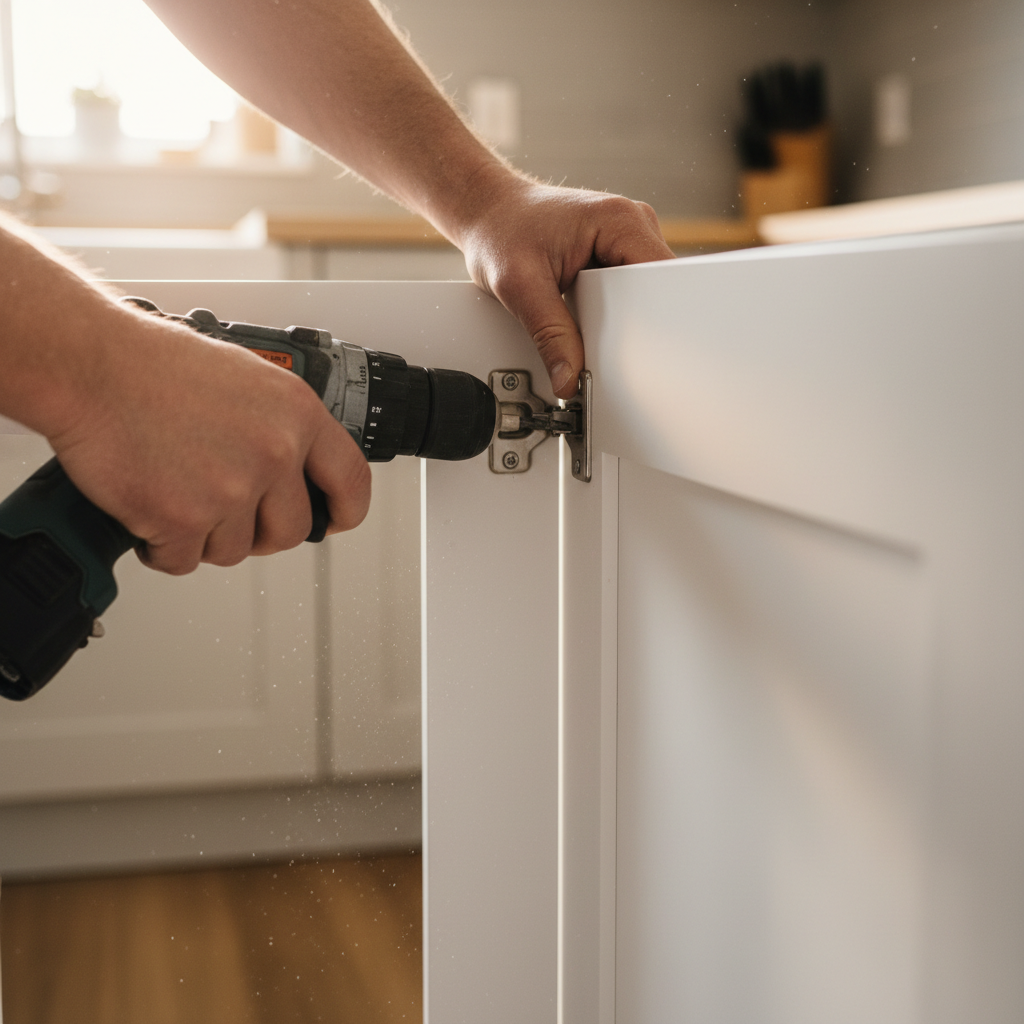
For cabinet replacement services, we prioritize solid hardwoods for the face frame, which is the part of the cabinet that actually holds the hinges. Because wood fibers in maple or oak are dense, they grip hinge screws much more effectively than compressed fibers, ensuring doors stay level despite thousands of open and close cycles. Selecting the right species for your kitchen cabinet materials ensures the face of your cabinetry maintains its structural integrity while showcasing the natural beauty of the wood grain.
Plywood vs MDF: The Installer's Real World Comparison
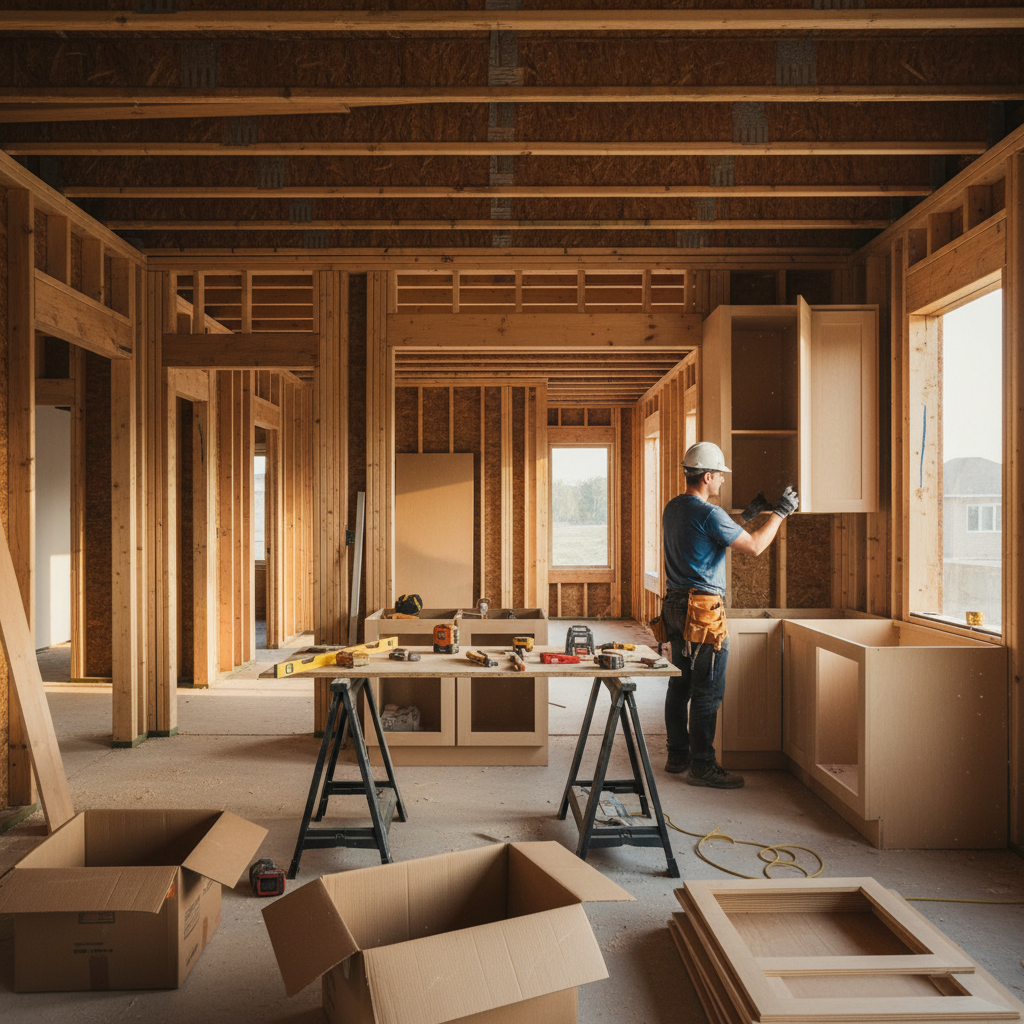
While solid wood excels for frames, the choice for the interior structure usually pits plywood against MDF. For professional cabinet installation, plywood is almost always our first choice for the cabinet box. Its "ply" structure, consisting of thin layers of wood glued together with alternating grain directions, provides immense structural rigidity. This cross-grain construction is why it holds mechanical fasteners, such as the screws used to mount cabinets to Fillmore walls, far better than engineered alternatives. Plywood also offers superior moisture resistance; if a small leak occurs, the wood fibers generally stay intact longer than compressed fiber products.
However, the question of whether high end cabinets use MDF is a common one, and the answer is a definitive yes. While plywood is better for the box, MDF is often the superior choice for painted cabinet doors. Because MDF is a composite of wood fibers and resin, it is incredibly stable. It lacks the natural grain of wood that can telegraph through a smooth paint job. More importantly, it does not expand or contract with the seasonal humidity shifts seen in Utah. In solid wood or plywood doors, this movement often causes the paint to crack at the joints, a problem that MDF entirely avoids. Selecting the right kitchen cabinet materials requires this nuanced understanding of where each material performs best.
Performance Metric | Furniture-Grade Plywood | Medium Density Fiberboard (MDF) |
|---|---|---|
Primary Structural Role | Cabinet Boxes and Shelving | Painted Door Cores and Panels |
Screw Retention | Excellent cross-grain grip | Prone to stripping if over-tightened |
Surface Finish | Visible grain (best for stain) | Glass-smooth (best for paint) |
Dimensional Stability | Moves with humidity | Highly stable; no joint cracking |
For homeowners seeking cabinet replacement services with a modern, painted aesthetic, using MDF for the door centers ensures a flawless finish that stays crisp for years. The key is using the right material for the right job: plywood for the strength of the carcass and MDF for the precision of the face panels.
Particle Board and Melamine: Understanding the Budget Tradeoff
Particle board consists of wood chips and shavings compressed with resin. Melamine is simply this core material encased in a thermally fused laminate coating, providing a pre-finished, easy-to-clean surface. While these options are cost-effective for budget-conscious cabinet replacement services, they come with structural trade-offs that every Fillmore homeowner should understand.
The most common failure point we see during professional cabinet installation is a hinge blowout. Because the core lacks the long, interlocking fibers of plywood, a door pulled too hard can literally rip the screws out, leaving a crumbly hole that is difficult to repair reliably. Moisture is another significant concern. If a plumbing leak occurs, particle board absorbs water like a sponge, causing the material to swell and disintegrate.
How long will particle board cabinets last? In a dry, low-traffic environment, you might see 10 to 15 years of use. However, in high-moisture areas like under a kitchen sink, the lifespan can drop significantly if a single leak goes unnoticed. We generally advise using these kitchen cabinet materials for dry storage areas, such as office closets or low-traffic commercial breakrooms, rather than high-use residential kitchens.
Application | Suitability | Primary Risk |
|---|---|---|
Kitchen Sink Base | Not Recommended | Irreversible water swelling |
Dry Office Storage | Recommended | Low structural stress |
Residential Pantry | Acceptable | Weight-bearing shelf sag |
Commercial Utility | Recommended | Physical impact/dents |
HDF vs MDF: What is the Difference for Modern Cabinetry?
Building on the needs of commercial applications, High Density Fiberboard (HDF) provides a significant step up in performance from standard composites. While MDF is a staple in residential cabinetry, HDF is manufactured under greater pressure to create a thinner, much harder board. This makes it a staple for European-style flat-panel cabinets that require perfectly crisp edges and a high resistance to warping.
From an installer’s perspective, the increased density of HDF translates to exceptional dent resistance. For professional cabinet installation in high-traffic Fillmore offices or medical facilities, HDF is the preferred choice because it withstands physical impacts that would typically leave a permanent mark on softer kitchen cabinet materials. If your cabinet replacement services involve a modern aesthetic or a workspace subject to heavy use, HDF offers the structural integrity needed to prevent premature wear. To see samples of these materials or discuss a project, contact our team in Fillmore for expert advice on material selection.
Performance Feature | MDF | HDF |
|---|---|---|
Density Level | 600 to 800 kg/m³ | Over 800 kg/m³ |
Dent Resistance | Moderate | High |
Best Aesthetic Use | Painted Shaker Doors | Sleek Flat-Panel Designs |
Environment | Typical Residential | High-Traffic Commercial |
Cabinet Construction Details: Joinery That Lasts
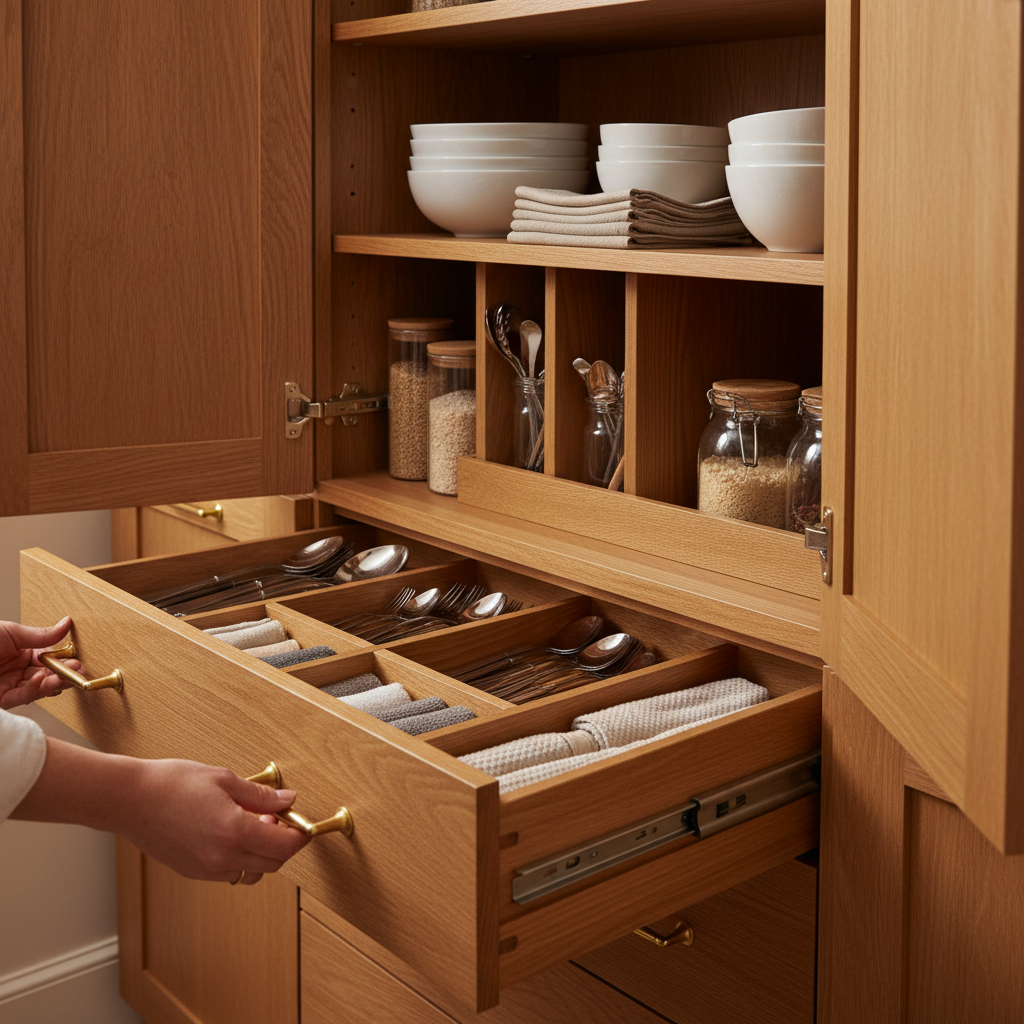
While choosing the right kitchen cabinet materials is vital, the way those materials are fastened determines if your cabinets remain square or begin to rack and sag. When we perform professional cabinet installation, we look for joinery that provides mechanical strength rather than just relying on adhesives. For drawer boxes, dovetail joints are the industry standard. These interlocking teeth utilize the physical shape of the wood to resist the constant pulling force applied every time you open a drawer, ensuring the face never separates from the sides.
For the main cabinet boxes, construction methods vary significantly. Cam-lock systems are common in mass-produced units, but they can loosen over time due to vibration and use. We prefer pocket screw construction or wood dowels, which create a much more permanent bond. The bare minimum you will find in many retail stores is a stapled and glued joint. While this might hold up initially, the weight of heavy dinnerware and granite countertops eventually stresses these points until the glue fails and the staples pull through the material.
Joinery Method | Typical Application | Durability Level |
|---|---|---|
Dovetail | Drawer Boxes | Highest (Mechanical Grip) |
Pocket Screws | Box Assembly | High (Permanent Bite) |
Cam-Locks | Flat-Pack Units | Low to Moderate |
Stapled and Glued | Budget Base Units | Minimum Acceptable |
To prevent the box from losing its shape, we prioritize cabinets featuring reinforced corner blocks. These triangular pieces are glued and screwed into the top corners, providing critical support for countertop loads and keeping the unit square during transport and settling. If you are planning cabinet replacement services, paying attention to these hidden details ensures your investment does not literally fall apart at the seams. For a technical walkthrough of your project, you can contact our team in Fillmore to see these construction methods firsthand.
The Best Cabinet Material for Durability: Our Professional Recommendation
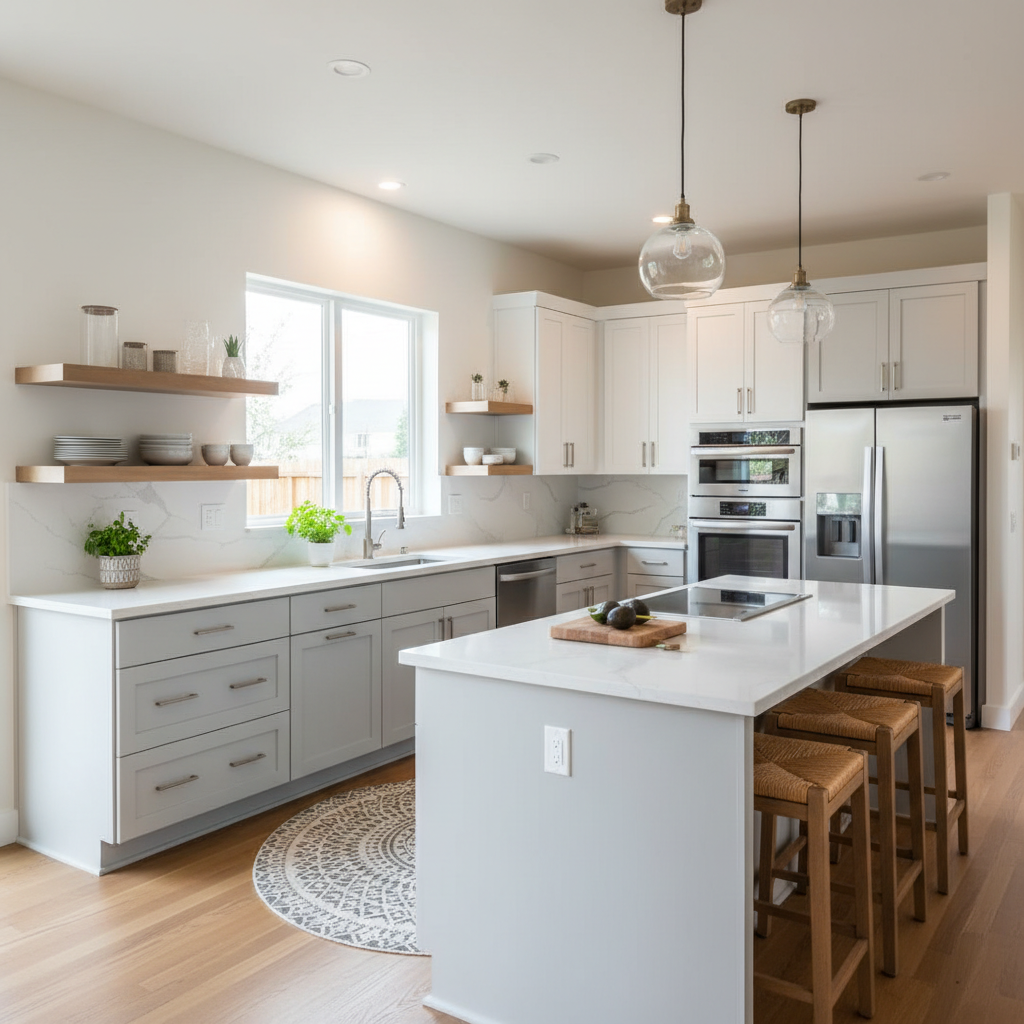
The most durable kitchen cabinet materials for a Fillmore home are rarely found in a single product category. Instead, we recommend a hybrid construction approach that leverages the specific strengths of each substrate. For the cabinet box, furniture-grade plywood is the non-negotiable standard. It provides the necessary structural rigidity to support heavy countertops and offers the best resistance to the occasional plumbing leak. This plywood carcass should be paired with a solid hardwood face frame, which provides the most secure anchor for hinges during professional cabinet installation.
For the doors, the recommendation shifts based on your aesthetic goals. If you prefer a stained finish, solid maple or cherry panels offer unmatched impact resistance and natural beauty. However, for a painted look, high-grade MDF or HDF is superior because it eliminates the joint expansion that causes paint to crack over time. This targeted material selection ensures every component performs its specific job without compromise.
Component | Recommended Material | Benefit |
|---|---|---|
Cabinet Box | 3/4" Plywood | Moisture resistance and structural load bearing |
Face Frame | Solid Hardwood | Exceptional screw-holding for hinges |
Painted Doors | HDF or High-Grade MDF | Smooth finish without seasonal joint cracking |
Stained Doors | Solid Maple or Oak | Long-term durability and natural grain depth |
Implementing this high-performance specification ensures your cabinet replacement services yield a kitchen that remains functional and visually perfect for decades. To discuss a custom material plan for your project, you can contact our team in Fillmore for a detailed assessment.
Choosing the right kitchen cabinet materials is a careful balance between your personal style and long-term durability. While options like solid wood and high-quality plywood offer the best resilience, the right choice ultimately depends on your specific lifestyle and budget. If you find yourself overwhelmed by the technical details or simply want expert guidance to ensure your investment lasts for decades, we are here to help. You can learn more about our team and philosophy to see how we approach every installation with precision and care.