Cabinet refacing is the more cost-effective option for homeowners who are happy with their existing kitchen layout, as it typically costs thirty to fifty percent less than a full renovation. Choosing cabinet refacing vs replacement ultimately depends on the structural integrity of your current boxes; if they are in good condition, refacing provides a high-end look and faster completion time without the expense of a total gut project.
Your kitchen is the heart of your home, but when the cabinetry begins to show its age, the decision between a surface level refresh and a complete overhaul often feels paralyzing. You might be staring at worn doors while wondering if a simple facelift is enough, or if you are merely masking structural issues that require a total replacement. This choice is not just about aesthetics; it is a significant financial decision that impacts the daily functionality of your home for years to come. At Gobes Cabinets, we believe that understanding the nuances of your existing cabinetry is the first step toward a successful renovation. In this guide, we will provide an expert comparison of refacing versus replacement. We will examine realistic budget breakdowns, the critical soundness test for your current boxes, and exactly why choosing the right path now ensures your investment pays off in the long term.
Defining the Core Differences: Surface Level vs Structural Overhaul
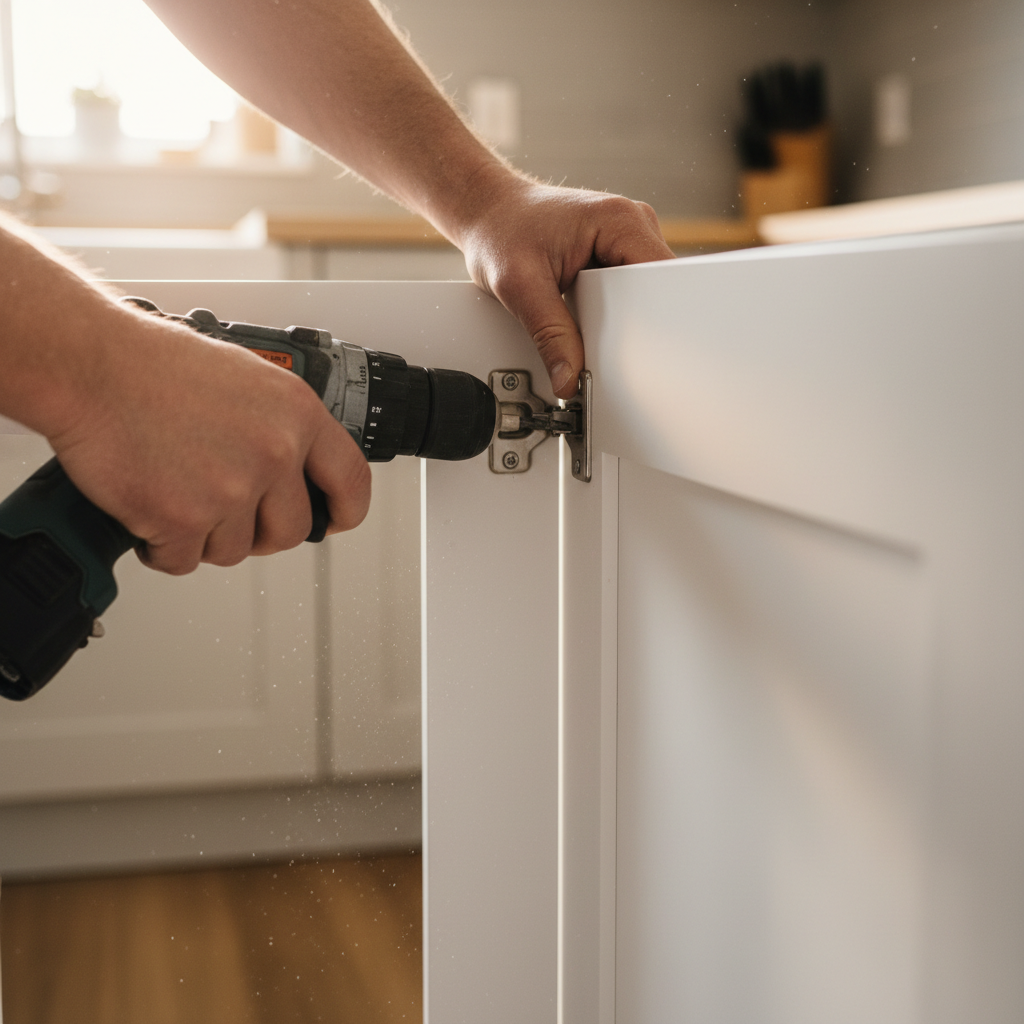
When planning a kitchen update, homeowners often grapple with the distinction between cabinet refacing vs replacement. From a technical standpoint, these two approaches represent vastly different scopes of work. Refacing is essentially a cosmetic and surface-level renovation. The installer retains your existing cabinet boxes and face frames. The process involves removing the old doors and drawer fronts; the team then applies a high-quality wood or laminate veneer to the exterior of the frames to match the new components. It is a targeted way to change the aesthetic without disturbing the footprint of the room.
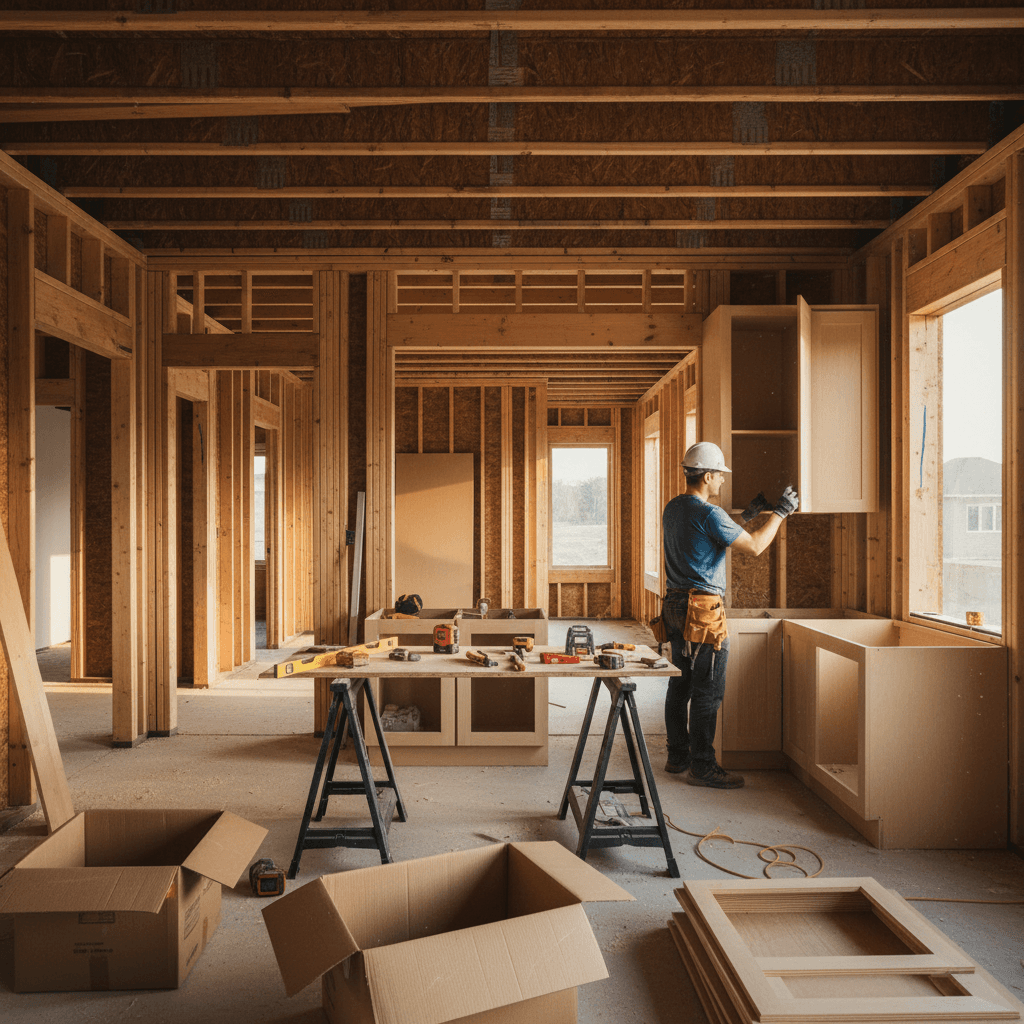
In contrast, a full replacement is a structural overhaul. This process involves the complete demolition of your existing cabinetry, stripping the walls down to the drywall or studs. This allows for a total reconfiguration of the layout and the opportunity for professional cabinet installation using modern materials from the ground up. While refacing updates the skin, replacement replaces the entire skeleton.
For homeowners here in Fillmore, the decision between these paths often hinges on the current structural health of the cabinetry rather than just visual preference. A kitchen might look dated, but if the boxes are solid and the layout is functional, refacing offers a streamlined alternative. However, if the frames are sagging, water-damaged, or the original construction was substandard, surface-level changes are a temporary fix. Understanding these technical boundaries is the first step in determining which investment will offer the best long-term performance and value for your specific property.
Cabinet Refacing vs Replacement Cost: A Realistic Budget Breakdown
Budgeting for a kitchen remodel requires a clear understanding of where your dollars are actually going. In the debate of cabinet refacing vs replacement, the price gap is primarily driven by labor and raw material volume. For most Fillmore properties, refacing typically ranges from $4,000 to $10,500. In contrast, a full replacement often starts at $12,000 and can exceed $35,000 depending on the grade of materials and the complexity of the layout.
Cost Factor | Cabinet Refacing | Full Cabinet Replacement |
|---|---|---|
Typical Project Range | $4,000 – $10,500 | $12,000 – $35,000+ |
Labor Focus | Skinning and Fitting | Demolition and Structural Setup |
Disposal Requirements | Minimal (Doors and Fronts) | Heavy (Entire Cabinet Units) |
Materials Included | Fronts, Veneer, Hardware | New Boxes, Fronts, Hardware |
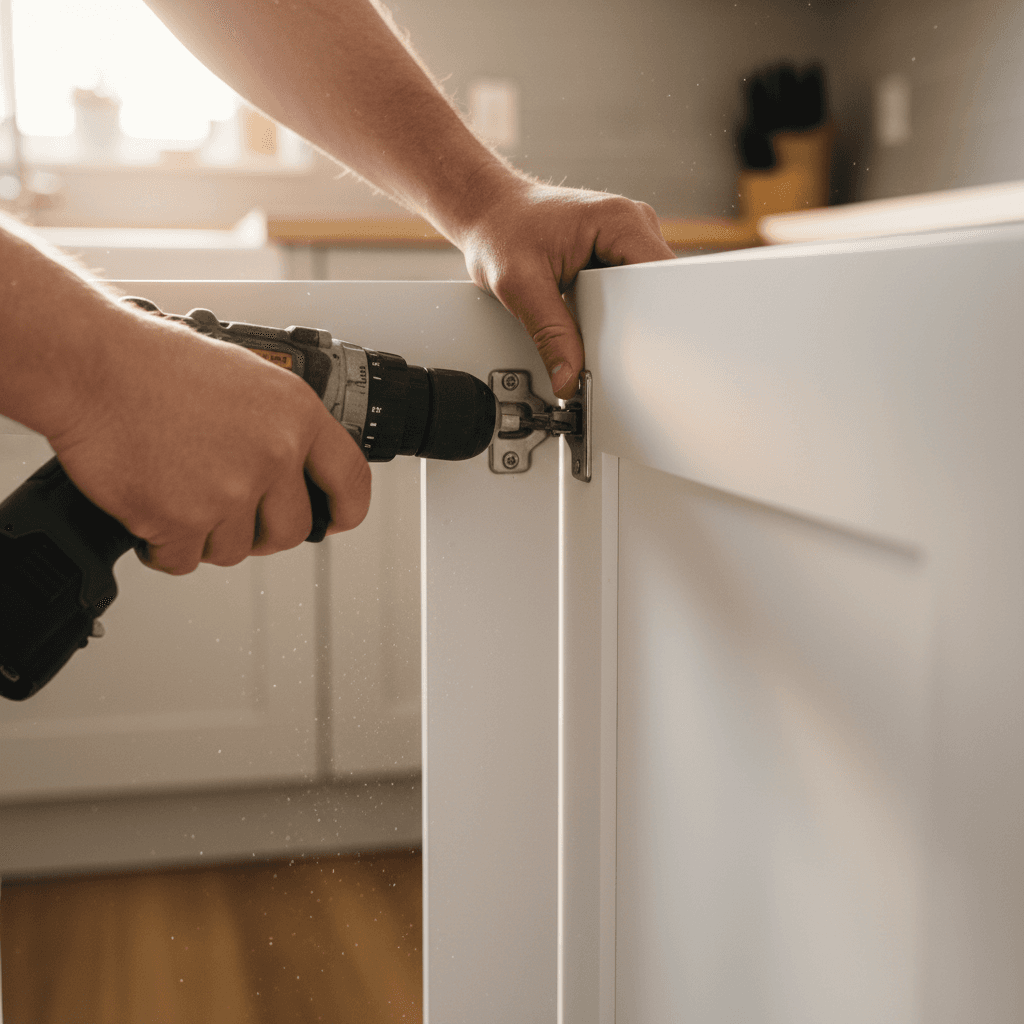
The labor for refacing is highly specialized but less invasive. Industry standards suggest a labor estimate of approximately $150 per door. This covers the removal of the old door, the sanding and degreasing of the face frame, the application of the new veneer, and the precise alignment of the new hinges. You are paying for the precision of the finish rather than the muscle of construction.
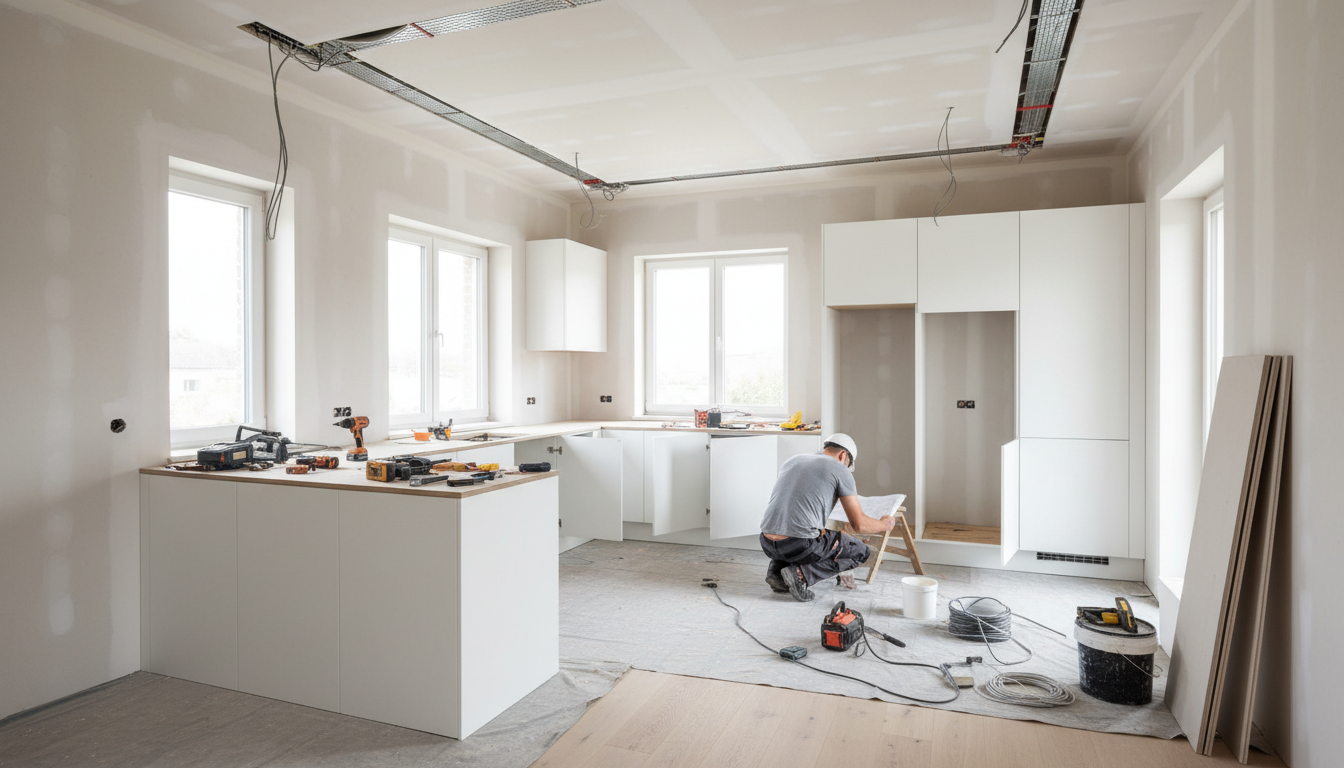
Full replacement costs are higher because they include variables that refacing avoids entirely. You must account for demolition labor to remove the old units and disposal fees to haul the debris away. Furthermore, you are paying for the fabrication of new high quality cabinet boxes. While professional cabinet installation ensures a perfectly level and plumb result, the sheer volume of new plywood or high density furniture board significantly increases the material invoice. For homeowners and those seeking commercial cabinet services, the choice is a balance between the immediate savings of refacing and the long term structural reset of a full replacement.
The Soundness Test: How to Know if Your Current Boxes Are Worth Saving
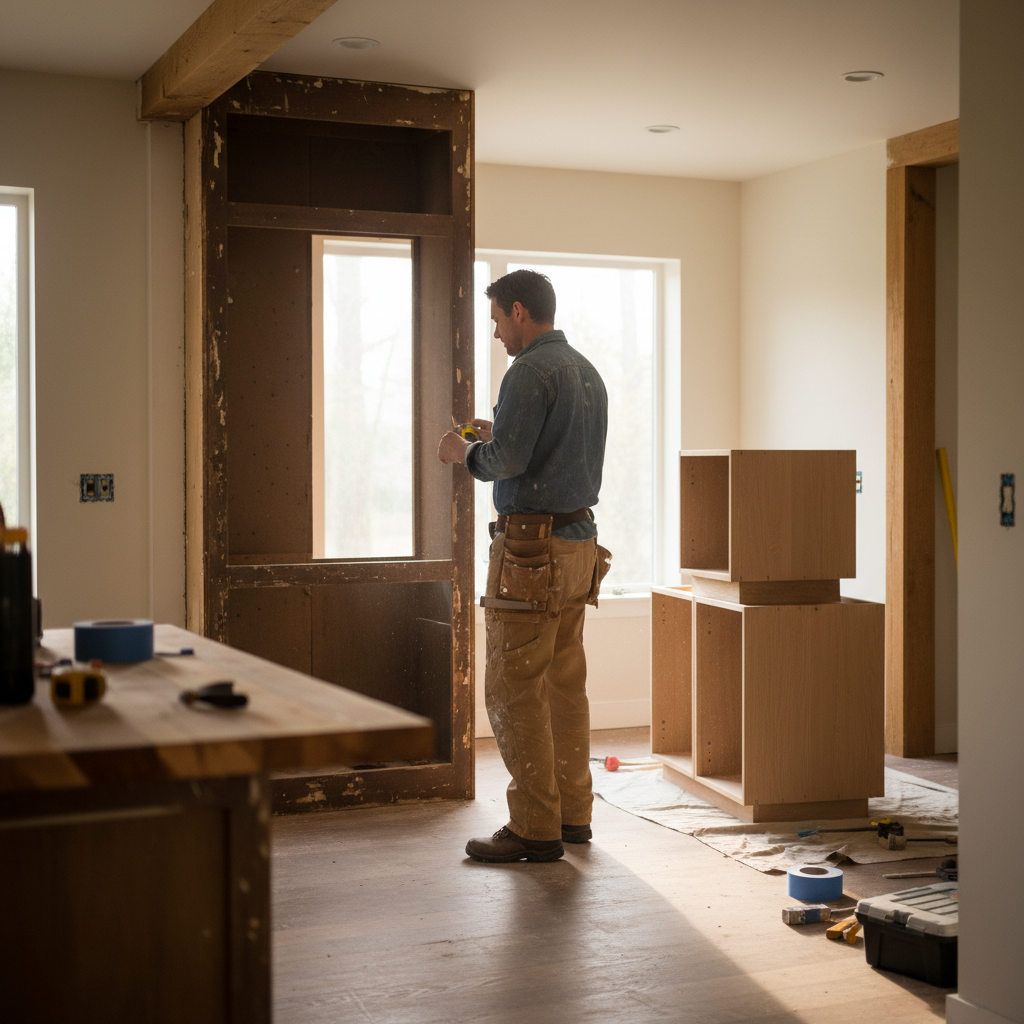
Determining if your cabinetry is a candidate for a surface update or a total tear-out requires a rigorous physical inspection. As installers, we perform a soundness test to ensure the underlying structure can support the weight of new doors and the tension of new hardware. Refacing a failing box is essentially applying lipstick on a pig; the new exterior will look excellent initially, but the foundation will likely fail within a few years.
We prioritize three specific criteria during this evaluation:
Moisture Intrusion at the Sink Base: Check the bottom panel and side walls around the plumbing. If you see bloating or swelling in the wood, it indicates the core material is compromised. Once particle board absorbs water and expands, it loses its structural density and cannot hold a screw or a new veneer reliably.
Structural Wall Attachments: Examine the back rails where the cabinets meet the wall. We look for gaps, sagging, or evidence that the boxes are pulling away from the studs. If the original professional cabinet installation was poor, or if the frames have warped over time, adding the weight of new solid wood doors will only accelerate the structural decline.
Box Construction Material: We distinguish between high-quality plywood and low-grade MDF or thin particle board. Plywood boxes are generally durable enough to justify the cost of refacing. However, if the frames are made of thin, compressed sawdust with a paper laminate, they often lack the long-term durability required for a high-end renovation. In these cases, moving toward commercial cabinet services or residential replacement ensures the new components are mounted to a frame that can actually last another twenty years.
When Refacing Makes Sense for Your Fillmore Home
If your cabinetry passes the soundness test, refacing offers a practical path toward a modern aesthetic without the chaos of a full demolition. Many homeowners in Fillmore choose this option when their current kitchen layout is perfectly functional, but the visual style, such as the honey oak finish common in older Utah homes, feels dated.
When weighing cabinet refacing vs replacement, the most compelling argument for the former is the minimal disruption to daily life. A full professional cabinet installation for a complete replacement can take weeks to finalize, often leaving your kitchen unusable for extended periods. In contrast, refacing projects are typically completed in just three to five days. You maintain access to your appliances and workspace throughout the process, minimizing the stress on your household.
Environmental impact is another significant factor to consider. By keeping the existing boxes, you significantly reduce the volume of construction debris sent to local landfills. You are essentially recycling the high quality core of your kitchen while updating the components that receive the most wear. If you are satisfied with your storage capacity and workflow, refacing is an efficient way to achieve a high end look. You can see our completed projects to understand how a surface level update can transform the brightness and value of a space.
The Downside of Refacing: Why Some Homeowners Regret It
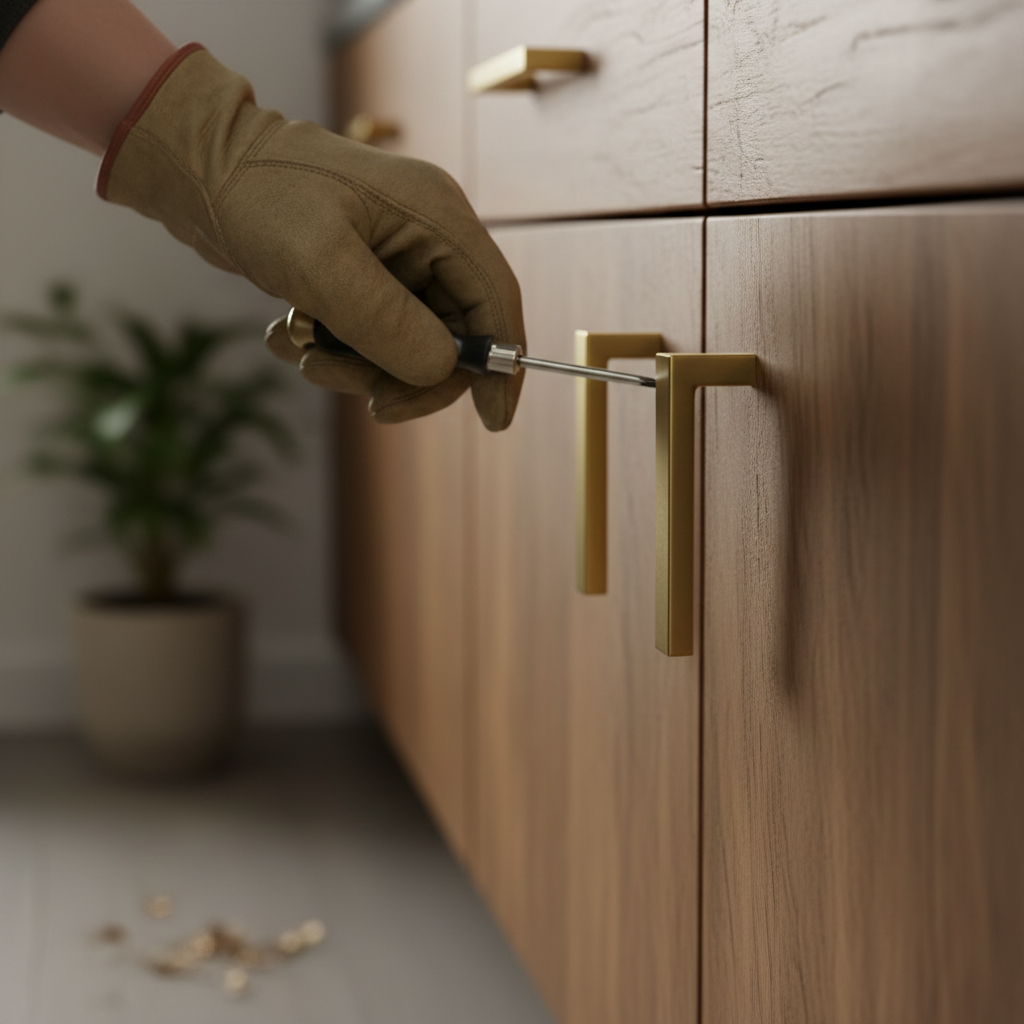
While refacing offers a faster timeline, it is not a panacea for a poorly designed kitchen. The most common source of regret for homeowners occurs when they attempt to force modern functionality into an obsolete cabinet structure. In the debate of cabinet refacing vs replacement, the hidden costs often lie in the internal hardware. If you desire soft-close hinges, integrated pull-out trash bins, or deep pot drawers, retrofitting these components into existing boxes involves significant labor and custom carpentry.
When you start adding these functional upgrades, the price gap between a surface update and a professional cabinet installation narrows significantly. In many older Fillmore homes, the original drawer glides are side-mounted and lack the load-bearing capacity of modern under-mount systems. To upgrade these, an installer must often rebuild the entire drawer box. If you are paying for new fronts, new veneers, and new internal drawer boxes, the financial advantage of refacing begins to evaporate.
Limitation | Why it Causes Regret |
|---|---|
Fixed Layout | You cannot move the sink, stove, or dishwasher to improve workflow. |
Dead Space | Blind corners and unreachable soffits remain unusable. |
Hardware Conflicts | Modern soft-close hardware may not align with 20-year-old box frames. |
Internal Storage | Basic shelves cannot easily be converted to heavy-duty pull-outs without high labor costs. |
Furthermore, refacing does nothing to address a fundamental lack of storage or a cramped floor plan. If your current kitchen feels cluttered because you lack pantry space or an island, a new veneer will not solve the underlying frustration. For those managing commercial cabinet services, this is particularly critical; high-use environments often require a total layout optimization to maintain efficiency. Before committing, see our completed projects to evaluate whether a cosmetic change is truly enough to meet your needs, or if you are simply spending thousands of dollars to dress up a layout that you will still find frustrating to use.
Why Replacement Often Wins for Long Term Value and Functionality
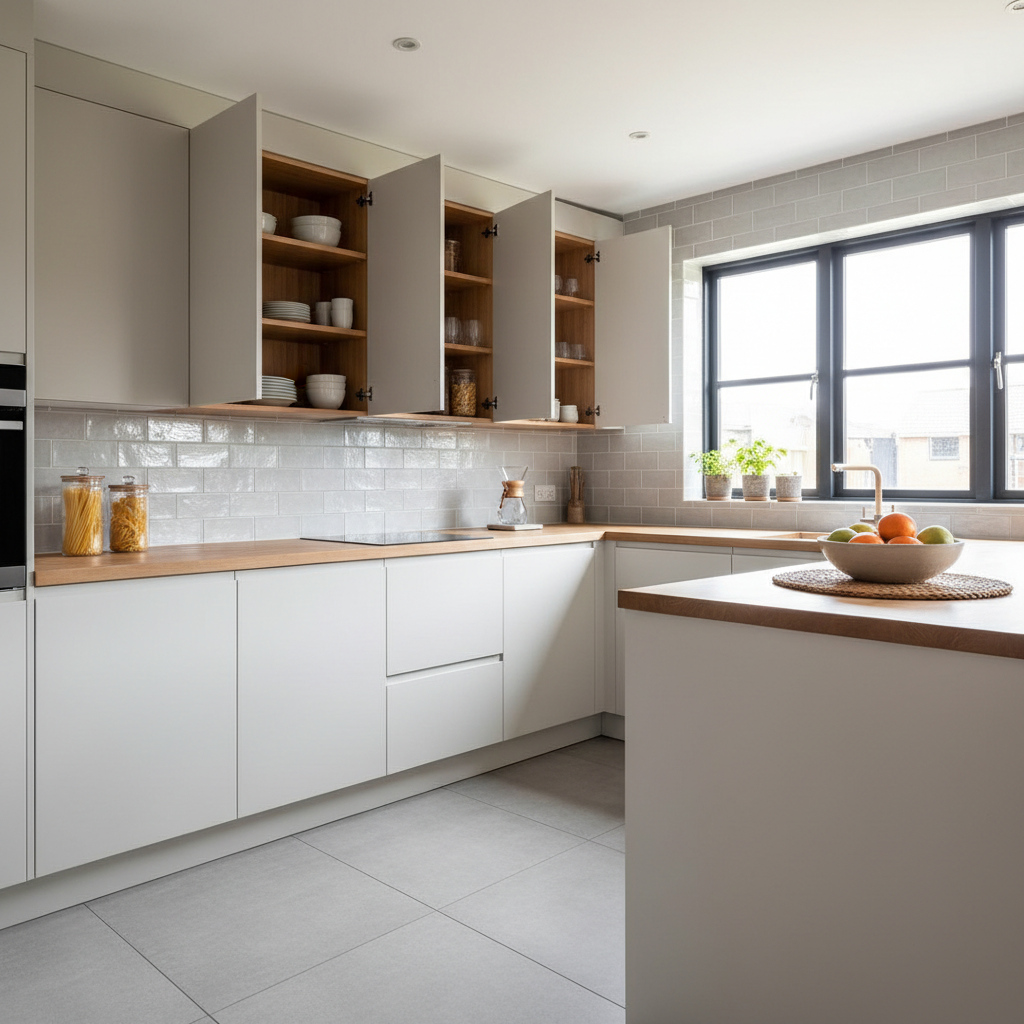
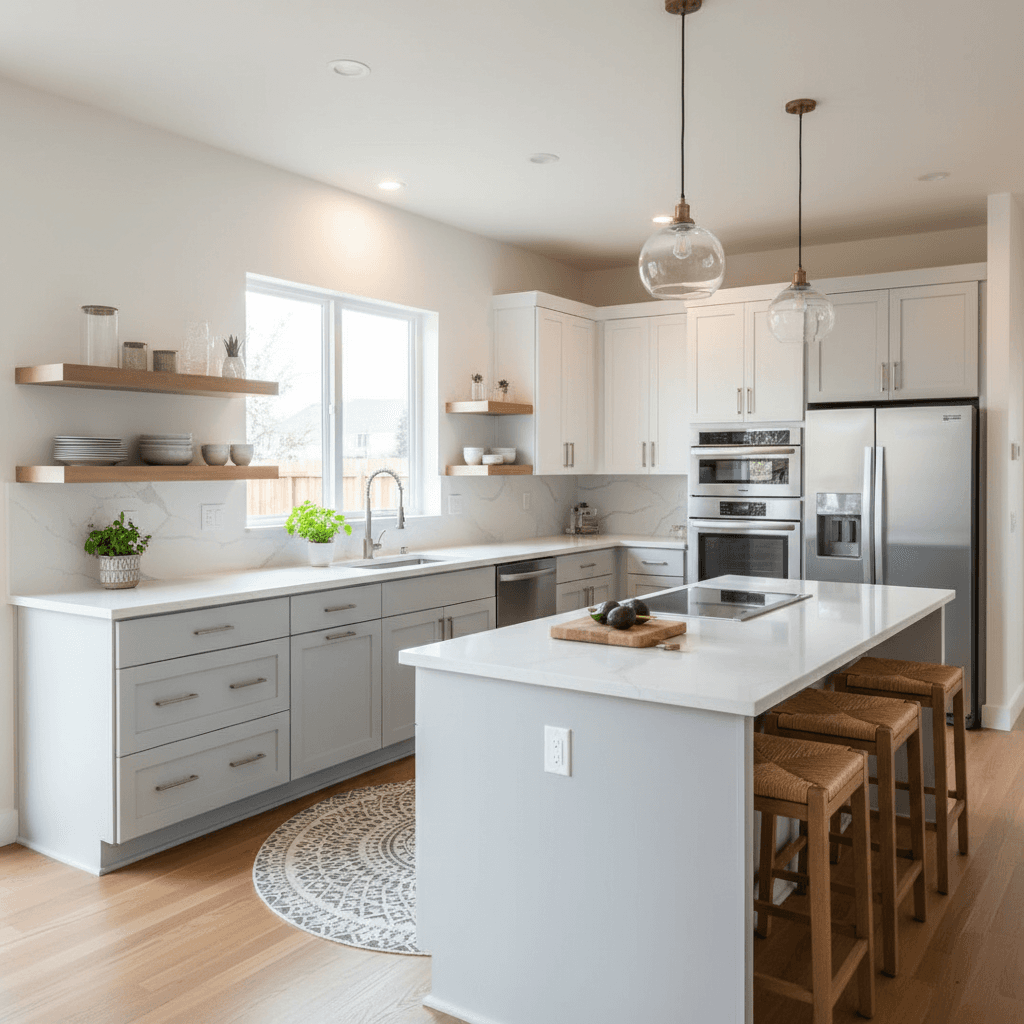
Choosing a full replacement provides the "clean slate" advantage that surface updates simply cannot match. When comparing cabinet refacing vs replacement, the primary benefit of a total tear-out is the ability to fix a broken layout. Many older residential properties in Fillmore were designed with small work triangles or isolated islands that do not fit modern living. A full professional cabinet installation allows you to move the stove, relocate the dishwasher, or expand the footprint with a custom island, turning a cramped kitchen into a high-performance workspace.
For commercial properties or historic Utah homes, the structural upgrade is even more critical. Newer materials like three-quarter-inch furniture grade plywood and solid wood frames offer a level of durability that older, potentially compromised boxes cannot sustain. When you opt for new units, you also gain integrated features like heavy-duty soft-close glides and corner organizers that maximize every square inch of storage.
Performance Factor | Replacement Benefit | Long-Term Impact |
|---|---|---|
Layout Flexibility | Complete reconfiguration allowed | Improved workflow and traffic flow |
Material Grade | High-density plywood and solid wood | Resists warping and high-use wear |
Storage Efficiency | Modern internal organizers | 30% to 50% increase in usable space |
Resale Appeal | Brand new structural warranty | Higher appraisal and buyer interest |
Ultimately, a full replacement is a play for long-term value. While the initial investment is higher, you are not just buying a new look; you are buying decades of functional reliability. If you want to see the difference a layout overhaul makes, you can see our completed projects to visualize how new cabinetry redefines a room. For businesses, our commercial cabinet services ensure that your storage solutions are built to withstand heavy daily use, providing a better return on investment over time.