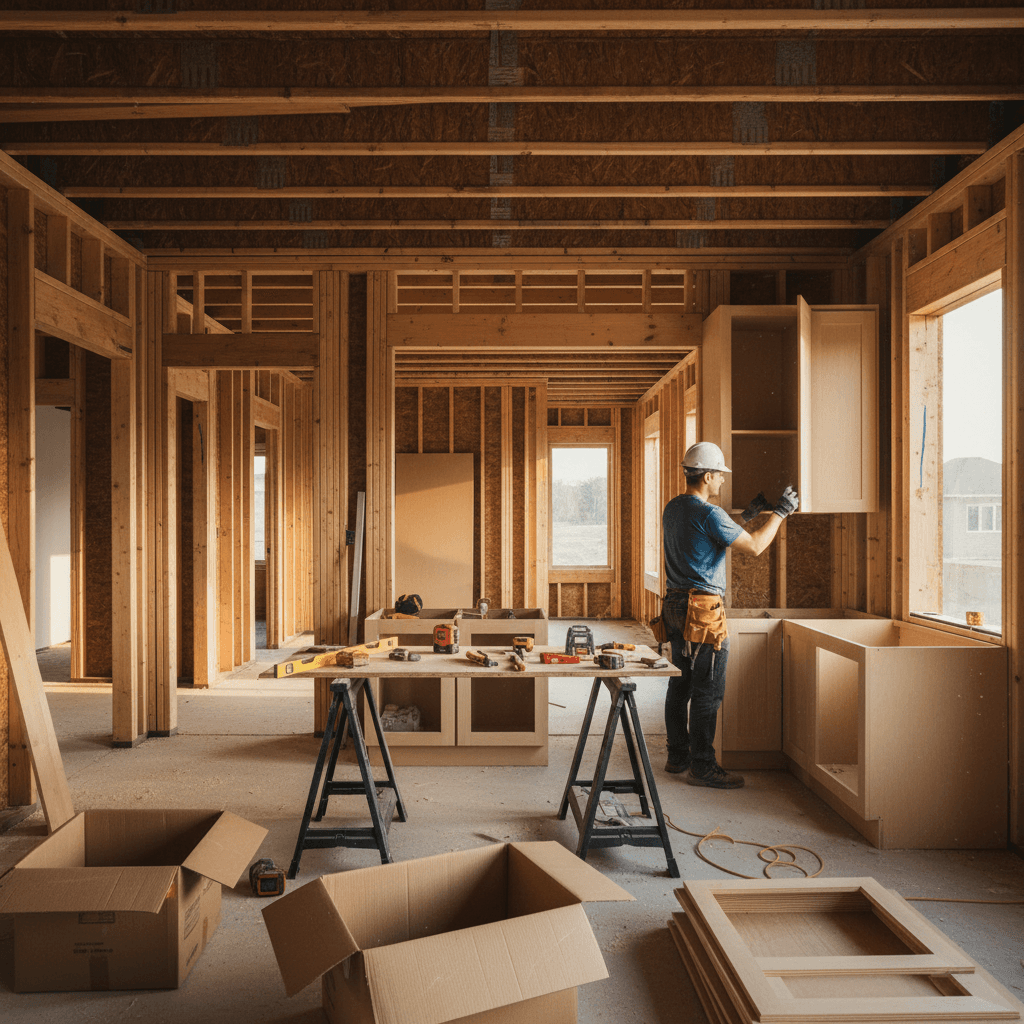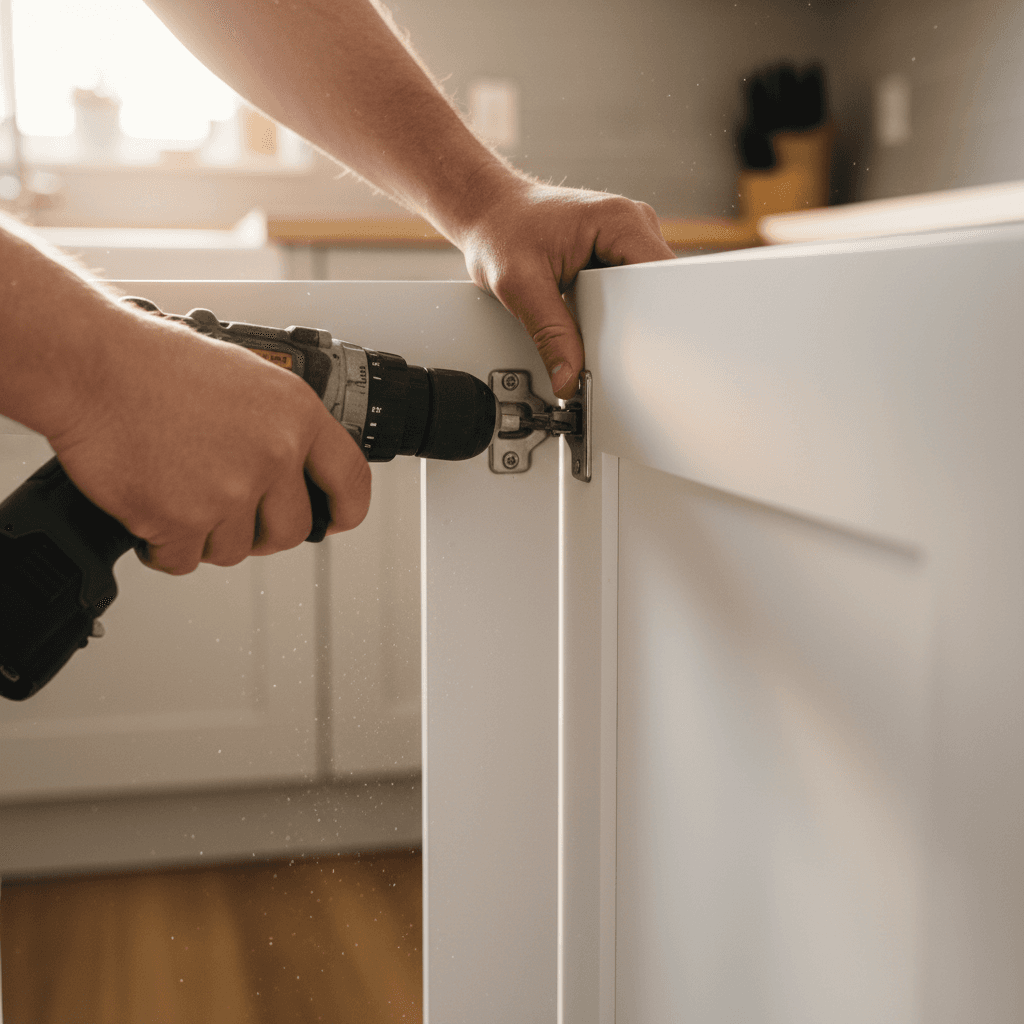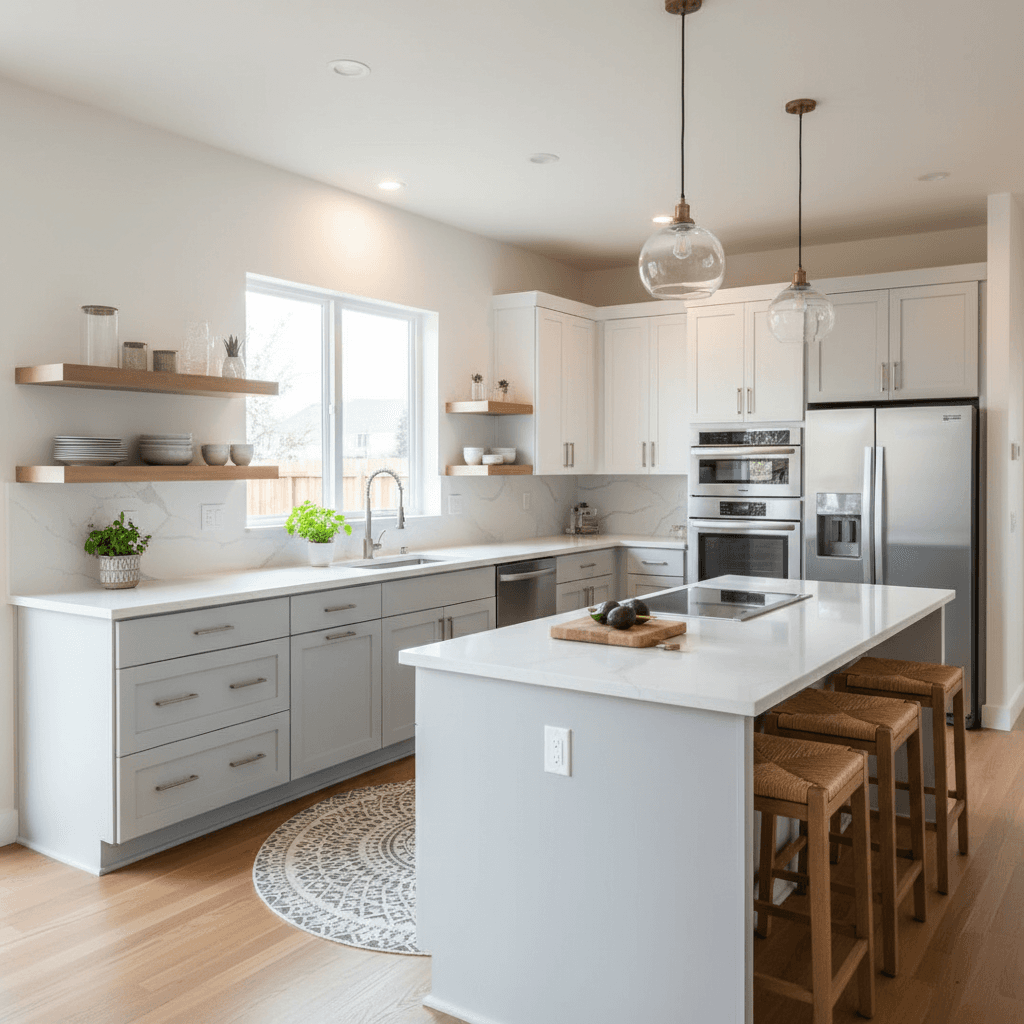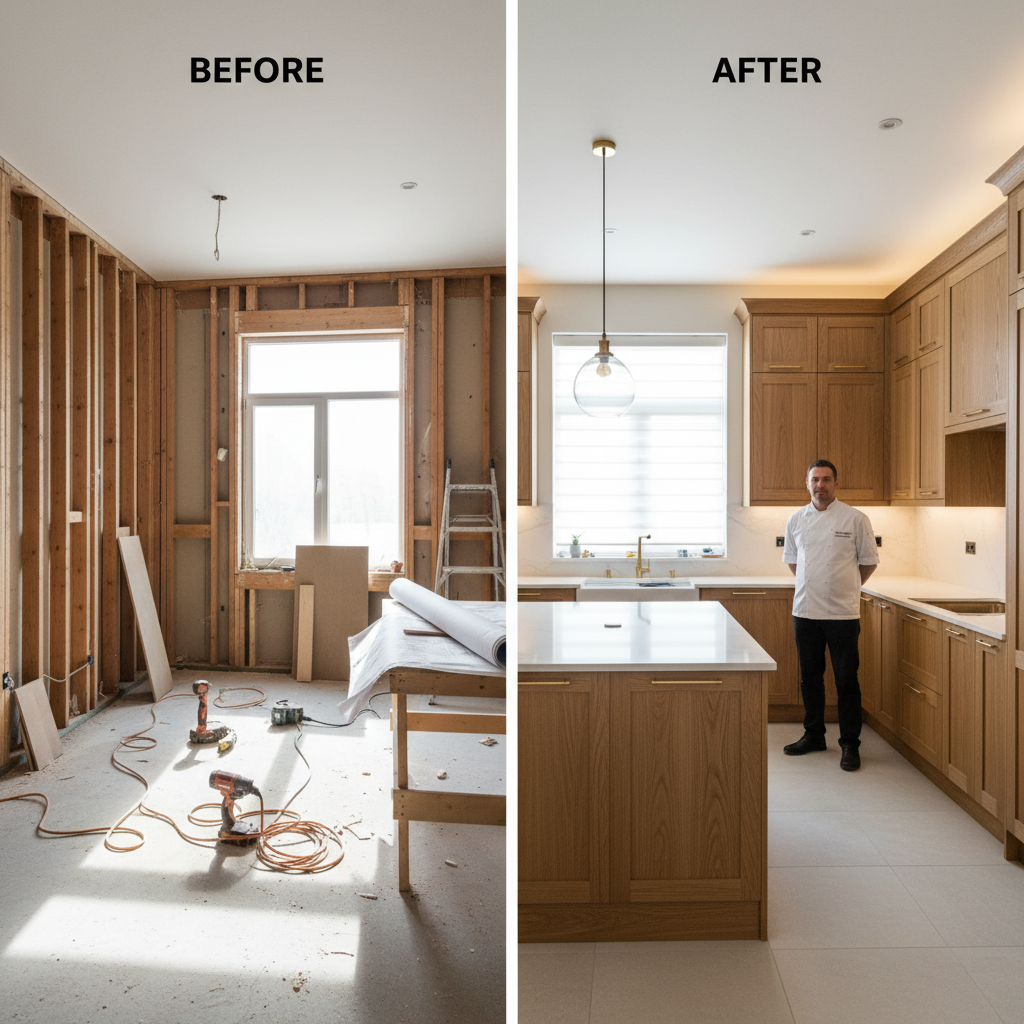
Determine when to replace cabinets by identifying structural issues like water damage, warping, or frames that no longer function correctly. You should also consider a full replacement if the layout is inefficient or if the materials show significant wear, such as drawers that stick and doors that fail to close. While solid wood lasts longer, cabinets made from particleboard may need replacing in as little as five years if they lose their shape or develop mold.
A kitchen should function with seamless precision; however, many Fillmore homeowners find themselves struggling with sticking drawers, warped frames, or cabinets that simply no longer fit a modern lifestyle. These persistent frustrations often signal that your cabinetry has moved beyond the point of simple repairs or cosmetic touch-ups. Because your cabinets represent both the structural foundation and the primary aesthetic of your most utilized spaces, understanding when to invest in a full replacement is critical for maintaining your property value. In this guide, we will analyze the five definitive signs that it is time for a complete overhaul. From identifying irreparable water damage and functional failures to evaluating the long-term benefits of upgrading from low-quality materials, you will gain the expert insight needed to decide whether a total replacement or a strategic reface is the most practical path forward for your home.
Understanding the Lifespan of Your Kitchen and Bathroom Cabinets
Cabinets serve as the structural foundation of your kitchen and bathrooms, yet they are often pushed past their functional prime. Understanding the lifespan of these fixtures depends heavily on the materials used during the original construction. High-quality solid wood cabinets can reliably last 20 to 30 years with proper care. However, many homes feature builder-grade MDF or particleboard units that frequently begin to fail within 5 to 10 years. These engineered materials are more susceptible to sagging, stripping at the hinges, and absorbing moisture that leads to permanent swelling.
In Fillmore, Utah, our local climate plays a significant role in cabinet longevity. The high desert environment brings sharp temperature fluctuations and seasonal humidity changes that force wood to expand and contract. Over time, this constant movement can stress joints and compromise the integrity of the cabinet boxes. When assessing your home, you must determine if the issues are purely aesthetic or if the structural bones of the unit have reached their limit. Identifying when to replace cabinets is a matter of distinguishing between a surface-level dated look and a fundamental failure in durability. Investing in professional cabinet installation ensures that your next set is built to withstand these local environmental pressures while providing decades of reliable service.
1: Visible Structural and Water Damage
Visible structural damage, specifically that caused by moisture, often marks the point of no return for kitchen and bathroom storage. Water damage manifests as swelling, bubbling under the finish, or delaminating wood veneers, particularly in high-risk zones near the sink or dishwasher. While a minor surface stain might be salvageable, deep saturation compromises the wood fibers and the adhesives holding the material together. Once the cabinet box or frame becomes soft to the touch or starts crumbling, the structural integrity is lost.
Safety is also a primary concern when assessing water-damaged units. Prolonged moisture exposure creates a breeding ground for mold and mildew, which can spread behind the cabinets and into the wall substrate. At this stage, attempting to reface or repaint is a wasted investment because the underlying material cannot support the weight of new doors or hardware. If the bones of the unit are no longer square and solid, professional cabinet installation is the only way to restore a safe, hygienic, and functional environment.
For property owners managing larger residential or commercial cabinetry projects, recognizing these signs early prevents the damage from spreading to the subflooring or adjacent walls. If you notice that your cabinet floors are sagging or that the sides are pulling away from the wall, the material has likely reached its load-bearing limit. In these instances, deciding when to replace cabinets becomes a necessity for the safety and value of your property rather than a simple design preference. If you are unsure about the extent of the structural damage in your kitchen or bath, you can contact our cabinet experts for a thorough evaluation.
2: Functional Failure and the 1 3 Rule
Beyond visible damage, mechanical performance is a major indicator of a cabinet's remaining life. We often advise homeowners to use the 1/3 rule as a practical financial guide. If the estimated cost of repairs, such as replacing all drawer glides and hinges while attempting to square up sagging frames, exceeds one third the cost of professional cabinet installation, it is usually time to invest in a full replacement. Spending money on failing infrastructure provides diminishing returns, especially when older materials are nearing the end of their service life and the repairs only offer a temporary fix.
Functional failure often starts with small annoyances that escalate into daily frustrations. You might notice doors that no longer sit flush or hinges that will not stay tight despite repeated adjustments. While hardware can technically be replaced, persistent misalignment usually signals that the cabinet box has warped or the mounting points have stripped beyond repair. Similarly, drawers that stick, grate, or sag when loaded indicate that the glides are failing or the drawer bottom is no longer supported by the frame.
A warped frame is a fundamental issue that surface level fixes cannot address. In Fillmore, shifts in the home foundation or internal humidity fluctuations can cause cabinets to lose their square. When the box itself is no longer level, new doors will never hang correctly, and drawers will continue to bind regardless of how many times you replace the tracks. If you find yourself constantly adjusting the same hinges or struggling with drawers that will not stay on track, these are clear indicators of when to replace cabinets. If you are unsure if your current setup is salvageable, you can contact our cabinet experts for a professional assessment of your hardware and frame integrity.
3: Your Current Kitchen Layout Is Obsolete
A cabinet setup does not need to be physically falling apart to be considered a candidate for removal. Functional obsolescence occurs when the original layout no longer supports the way a modern household operates. Many older homes in Fillmore were designed with a restricted work triangle, the distance between the sink, stove, and refrigerator, that fails to account for multiple cooks or contemporary appliance sizes. If you find yourself constantly navigating around an awkward peninsula or struggling with a cramped prep area, you have reached the point when to replace cabinets to reclaim your space.
Inefficient footprints often result in dead corners where deep, dark recesses make items inaccessible without physical strain. Modern cabinetry solves these spatial puzzles through intelligent engineering like Lazy Susans, pull-out kidney shelves, and specialized pantry inserts. Simply refacing old boxes will not fix a fundamental design flaw or create extra floor space. Achieving a truly ergonomic kitchen requires a full reconfiguration of the footprint through professional cabinet installation. By starting fresh, you can eliminate wasted gaps and optimize every square inch for better workflow. At Gobes Cabinets, we prioritize these functional details during our design process; we ensure your new layout improves both your home’s value and your daily efficiency.
4: Low Quality Materials That Have Reached Their Limit
In many Fillmore homes, the original cabinets were chosen for economy rather than endurance. These builder grade units typically rely on thin particleboard and adhesive staples. A common failure point is staple pull, where the pressure of heavy dishes or the natural settling of the house causes the back panels to separate from the side walls. Because particleboard lacks the fibrous strength of real wood, once a staple pulls through, the hole is stripped permanently; this makes a lasting repair nearly impossible.
Identifying when to replace cabinets often involves recognizing these inferior materials before they cause a total collapse. For your next set, prioritize features that guarantee structural integrity for twenty years or more. Look for solid wood frames and dovetail joints in drawer construction. Dovetail joints create a mechanical interlock that does not rely solely on glue or fasteners, providing the durability needed for both residential and commercial cabinetry projects. Investing in higher grade materials during professional cabinet installation ensures your kitchen survives the rigors of daily use without sagging or splitting. If your current cabinets feel flimsy or show signs of panel separation, contact our cabinet experts to discuss upgrading to professional craftsmanship that lasts.
5: Severe Aesthetic Obsolescence and Home Value
Aesthetic obsolescence occurs when the visual design of your kitchen actively detracts from the property's market appeal. In Fillmore, buyers often look for kitchens that feel updated and efficient; outdated finishes or overly ornate 1990s designs can significantly lower a home's resale value. Many homeowners ask if white cabinets will be out of style by 2026. While white remains a versatile choice, the trend is moving away from stark, glossy finishes toward matte textures and warmer off-white tones paired with natural wood accents.
If your current cabinets feature heavy cathedral arches or dated oak grain, a simple coat of paint cannot hide the underlying style. Modern buyers prefer the clean lines of Shaker or flat-panel doors, which provide a timeless foundation for a variety of interior designs. Beyond the door style, the true value increase comes from integrated storage solutions. Features like pull-out trash bins, built-in spice racks, and deep pot drawers are high-demand upgrades that a surface-level refacing job cannot accommodate. Determining when to replace cabinets often comes down to this: if your kitchen looks like a relic and lacks modern organizational tools, a full professional cabinet installation is the most effective way to maximize your home's equity. If you want to see how modern designs can transform your space, you can contact our cabinet experts for a consultation on current trends and functional upgrades.
What to Do Next: Replacing vs. Refacing Your Cabinets
Deciding on the next step requires an honest assessment of your cabinets' bones versus your vision for the space. Determining when to replace cabinets versus when to simply reface them comes down to balancing your current budget with your long term goals for the home. Refacing is a cosmetic solution that works well if your cabinet boxes are structurally sound and you are satisfied with your existing kitchen footprint. However, if your kitchen suffers from any of the functional or structural failures discussed previously, refacing is merely a temporary mask for deeper problems.
To determine the best path for your property, consider these criteria:
Reface when: The cabinet boxes are solid wood or high-quality plywood; the layout is perfectly functional; the damage is limited to minor surface scratches or dated door styles.
Replace when: You detect mold, water rot, or staple pull; the current layout creates a bottleneck; you need modern storage features like deep drawers or pull-out pantries; the cabinet boxes are made of failing particleboard.
Choosing professional cabinet installation allows you to move beyond simple repairs and fundamentally improve how your kitchen works. This process provides the opportunity to select durable materials, like dovetail joinery and soft-close hardware, that will outperform builder-grade units for decades. If you are ready to evaluate your space and see the possibilities of a new design, contact our cabinet experts for a detailed assessment of your home's needs.
Recognizing when your cabinets have reached the end of their lifespan is essential for maintaining the beauty of your Fillmore home. From structural damage to outdated layouts, these signs suggest it might be time for a change. If you want expert help planning your next project or selecting the perfect materials, our team is happy to provide guidance. You can learn more about our local values and commitment to quality. We look forward to helping you create a kitchen that truly works for you.